Reload Bonuses as Retention Tools in America's Regulated Online Gambling Market
Ulrich Coleman · Nov 19, 2026
Reload Bonuses as Retention Tools in America's Regulated Online Gambling Market
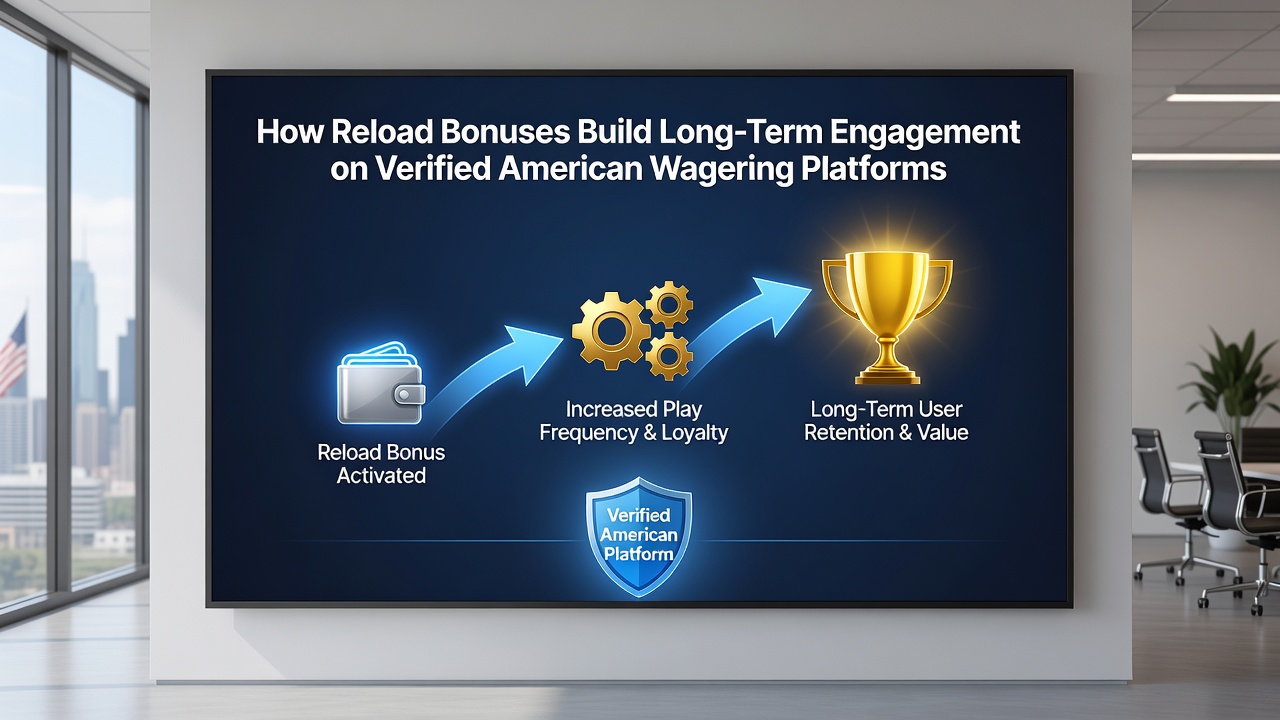
Reload bonuses function as recurring deposit incentives that licensed operators in states such as New Jersey, Pennsylvania, and Michigan extend to existing account holders, and these promotions differ from initial sign-up offers because they target ongoing participation rather than first-time registration. Operators calculate these matches as a percentage of subsequent deposits, often ranging from twenty-five to one hundred percent, with maximum caps that vary by platform and jurisdiction. Data compiled through state regulatory filings indicate that platforms deploying reload structures on a weekly or bi-weekly schedule record higher average session frequencies among verified users compared with those relying solely on one-time acquisition bonuses.
Mechanics Behind Periodic Deposit Matches
Verified platforms integrate reload offers into loyalty tiers where eligibility scales with cumulative deposit volume or playthrough history, and this tiered approach creates progression pathways that encourage consistent funding cycles. Wagering requirements attached to reload credits typically range from five times to twenty times the combined deposit and bonus amount, while time limits for completion stretch from seven to thirty days depending on the operator's risk parameters. Research from state gaming commissions shows that clear disclosure of these terms correlates with lower dispute rates and sustained account activity over multi-month periods.
Payment method restrictions further shape participation patterns, since many platforms exclude certain e-wallets from bonus qualification to control processing costs, whereas credit card and bank transfer deposits qualify more readily. Observers note that mobile applications push reload notifications through push alerts timed to coincide with payroll cycles, and this timing strategy aligns promotional windows with periods when users demonstrate higher deposit propensity.
Engagement Patterns Across State Markets
Monthly handle reports filed with regulatory bodies reveal that reload-eligible accounts generate elevated repeat deposit counts, particularly during promotional windows that overlap with major sporting events. In November 2026, platforms in states preparing for expanded football calendars reported measurable upticks in reload redemptions as users positioned funds ahead of postseason schedules. These patterns hold across demographic segments, though operators segment data by age bracket and geographic cluster to refine targeting precision.
Studies conducted by academic research centers tracking longitudinal user cohorts demonstrate that reload frequency directly influences session duration metrics, with participants receiving bi-weekly matches logging longer average play intervals than control groups without such incentives. Retention curves flatten less steeply when reload structures incorporate personalized multipliers based on prior-month activity levels.
Integration With Broader Loyalty Frameworks
Operators combine reload matches with tiered point systems where bonus credits convert into loyalty currency redeemable for additional play or merchandise, and this layering extends the perceived value beyond the immediate deposit cycle. Regulatory oversight in multiple jurisdictions requires operators to maintain audit trails documenting how reload offers influence play patterns, ensuring compliance with responsible gaming thresholds. Platforms that synchronize reload windows with loyalty level upgrades record accelerated movement through tier thresholds according to internal analytics shared in industry reports.
Geographic variations appear when comparing markets with mature regulatory frameworks against newer entrants, because established states possess longer datasets that allow operators to calibrate reload percentages against observed churn rates. Cross-state comparisons indicate that reload participation rates climb when operators permit seamless account funding across multiple payment rails without additional verification steps.
Regulatory and Compliance Considerations
State gaming authorities mandate that reload promotions appear with equal prominence to any restrictions, and failure to meet these transparency standards has resulted in corrective actions documented in enforcement bulletins. The American Gaming Association publishes periodic summaries of incentive structures across member operators, and these compilations show consistent movement toward standardized disclosure formats that reduce user confusion. Industry association data further tracks how reload mechanisms interact with self-exclusion lists, confirming that promotional eligibility ceases immediately upon enrollment in voluntary exclusion programs.
International comparisons drawn from regulated markets in Canada adn Australia illustrate parallel retention effects when periodic deposit incentives operate under strict licensing regimes, although direct numerical benchmarking remains limited by differing tax structures and market maturity levels. Australian regulatory filings document similar patterns where reload eligibility tied to verified identity verification produces steadier engagement curves over twelve-month observation windows.
Conclusion
Reload bonuses operate as structured retention instruments within America's patchwork of state-regulated wagering environments, and evidence from regulatory filings, academic cohort studies, and operator analytics indicates measurable associations between these periodic incentives and sustained user activity. Platforms that align reload timing, eligibility tiers, and compliance disclosures with observed behavioral data maintain higher retention metrics across multi-month horizons. As markets continue to mature through late 2026, operators refine these mechanisms in response to both competitive pressures and evolving regulatory expectations while preserving the core function of converting one-time deposits into recurring engagement cycles.